

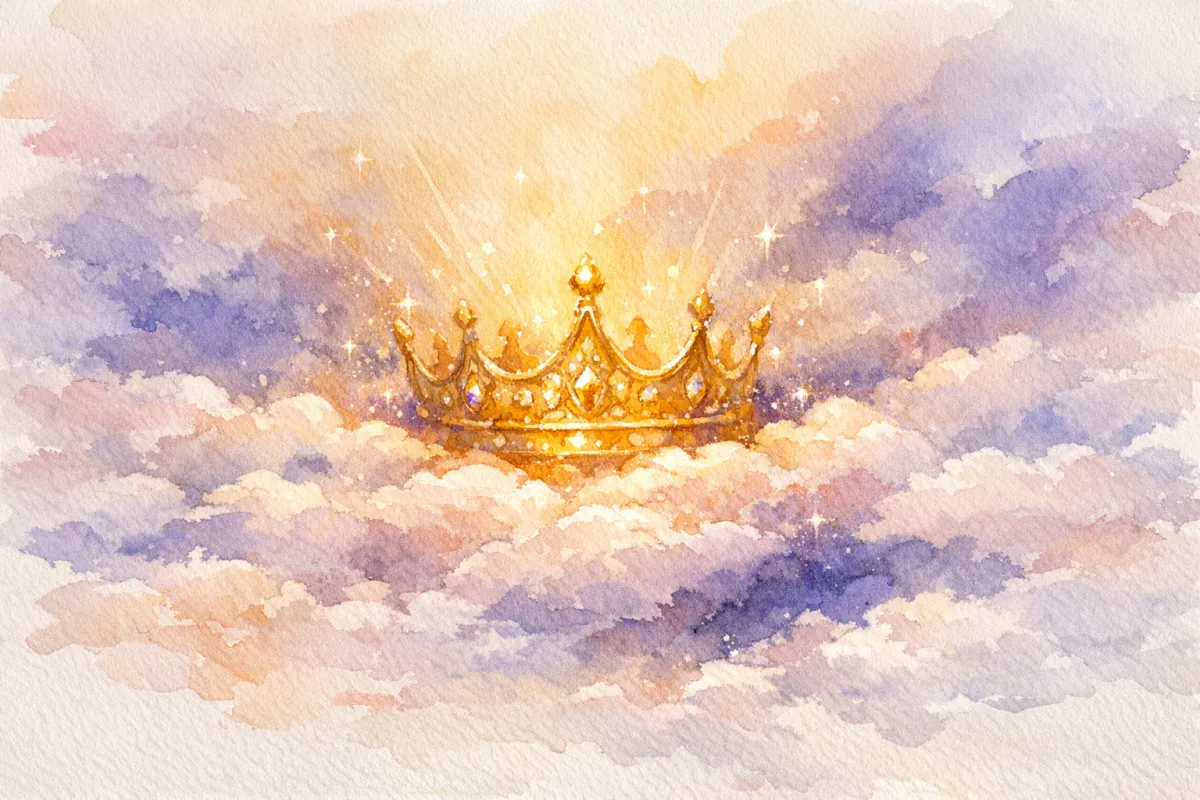
Baby Names That Mean Royalty
Royalty names evoke crowns, thrones, and regal bearing—the ultimate expression of elevated status and noble authority. From Latin Rex (king) to Hebrew Sarah (princess), these names don't just reference titles but embody qualities associated with monarchy: leadership, dignity, command, and grace under pressure. Parents choosing royalty names express aspirations for their child's confidence and presence.
The name Royalty itself became a popular given name in African American communities starting in the 1990s, reflecting a cultural reclamation of royal imagery and self-determination, with usage increasing by over 300% in the United States between 2000 and 2020.
Did You Know?
Charlotte carries royal weight through historical associations with queens and princesses across Europe. Latin gives us Regina (queen) and Rex (king), while Hebrew offers Sarah (princess). Arabic Malik and Malika (king, queen) and Irish Ryan (little king) show global royal naming. Modern parents often choose subtle royalty names—those with regal associations without being literal throne references. Arthur (associated with legendary King Arthur) and Henry (ruler of the home, worn by eight English kings) offer historical gravitas without pretension.
If you're drawn to names that mean royalty, think about whether the meaning resonates with your family's values, hopes, or heritage. A name's meaning can become a source of pride as your child grows, a quiet reminder of the qualities you cherish most. Pairing a meaning-rich first name with a complementary middle name can create a name that tells a story.

Frequently Asked Questions
What names mean king or queen?
Royal title names include Rex (Latin, "king"), Regina (Latin, "queen"), Malik and Malika (Arabic, "king/queen"), Sarah (Hebrew, "princess"), and Amir/Amira (Arabic, "prince/princess"). Ryan means "little king" in Irish.
Are royalty names pretentious?
Direct title names (Rex, Regina) can feel bold, but historically royal names (Charlotte, Henry, Arthur) carry regal associations naturally. Many parents prefer subtle royalty names with historical connections over literal titles.
What's the difference between royalty and nobility names?
Royalty names specifically reference monarchical titles (king, queen, prince, princess), while nobility names emphasize noble character and aristocratic qualities. Royalty is the highest tier of nobility.
Do royalty names work in modern democracies?
Absolutely—royal names remain popular even in republics. They represent aspirational qualities (leadership, dignity, grace) rather than political systems. Charlotte, Henry, and Arthur thrive globally regardless of government type.