

Welsh Baby Names
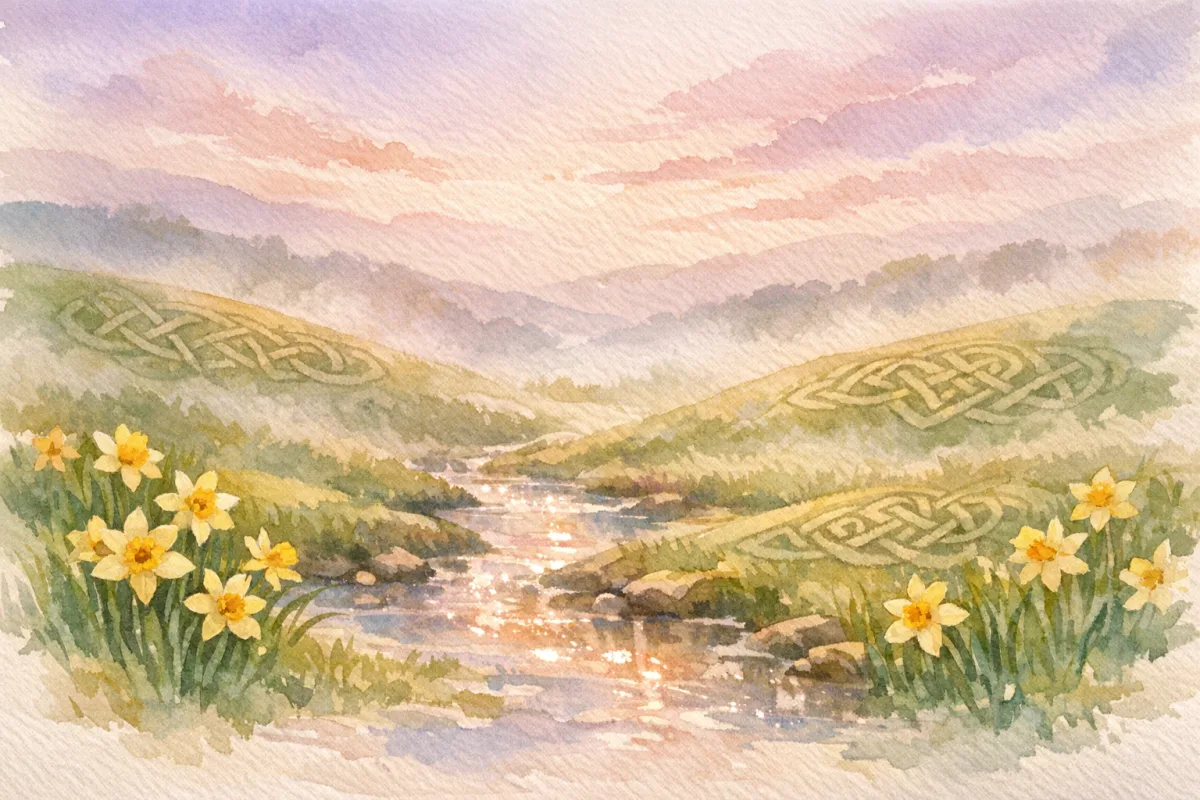
Welsh names emerge from one of Europe's most ancient living languages, a Celtic tongue that has survived Roman conquest, Anglo-Saxon settlement, and Norman invasion to remain vibrant in modern Wales. These names often feature the melodic consonant mutations and lyrical vowel patterns that make Welsh instantly recognizable, from the double-L sound that defies English phonetics to the musical cadence of names rooted in mythology and medieval poetry. Welsh naming traditions honor the Mabinogion's legendary heroes, early Christian saints, and the nation's enduring connection to landscape—mountains, rivers, and the wild beauty of Cymru. Names like Dylan have achieved global recognition, demonstrating Welsh culture's growing influence.
The Welsh naming tradition of using patronymic surnames (like ap Gwynedd meaning "son of Gwynedd") persisted until the 16th century, when fixed surnames became legally required, transforming names like "ap Rhys" into the modern surname "Price" — a linguistic evolution that means many Welsh surnames still directly encode their ancestral origins in their etymological structure.
Did You Know?
Modern Welsh names balance ancient Cymric heritage with contemporary accessibility, from internationally beloved Dylan (son of the sea), Owen, and Rhys to traditional choices like Gwyneth (blessed), Cerys, and Branwen. Parents are rediscovering mythological treasures like Arianwen (silver-blessed), Taliesin (radiant brow), and Eirlys (snowdrop), embracing spelling challenges for cultural authenticity. The trend toward nature-inspired Welsh names reflects the nation's dramatic landscapes: Glynn (valley), Bryn (hill), Seren (star). While some Welsh names require pronunciation guidance beyond Wales, their poetic beauty and rich cultural heritage make them increasingly popular among parents seeking distinctive choices with deep roots.
When choosing a Welsh name for your baby, consider how it sounds with your surname, whether family and friends can pronounce it comfortably, and what cultural connections matter to you. Many parents find that Welsh names pair beautifully with both traditional and modern middle names, offering flexibility in creating a meaningful combination.

Frequently Asked Questions
How do you pronounce Welsh names?
Welsh phonetics differ from English. 'Ll' makes a soft 'hl' sound, 'dd' sounds like 'th' in 'the,' and 'w' can be a vowel. Llywelyn (hloo-EL-in), Sioned (SHON-ed), and Myfanwy (miv-AN-wee) follow Welsh rules. Many parents use anglicized spellings or choose internationally accessible names like Dylan or Owen.
What are popular Welsh baby names?
Dylan, Owen, and Rhys have achieved international popularity for boys, while Seren, Eira, and Cerys are rising for girls. In Wales itself, Osian, Cai, Ffion, and Mali remain beloved, balancing tradition with modern appeal.
Can I use a Welsh name if I'm not Welsh?
Welsh names like Dylan, Owen, and Morgan have become multicultural classics. More distinctly Welsh choices like Rhiannon, Bronwyn, or Gareth carry stronger cultural associations but are used internationally. Consider pronunciation challenges and cultural connection when choosing more traditional Welsh names.
What do Welsh names typically mean?
Welsh names often reference mythology (Rhiannon = great queen), nature (Seren = star, Eira = snow), or virtues (Gwyneth = blessed). Many carry poetic imagery rooted in the Welsh landscape and the Mabinogion's legendary tales, creating names that function as miniature blessings or prophecies.